Facebook
 X
X
 Pinterest
 Copy Link
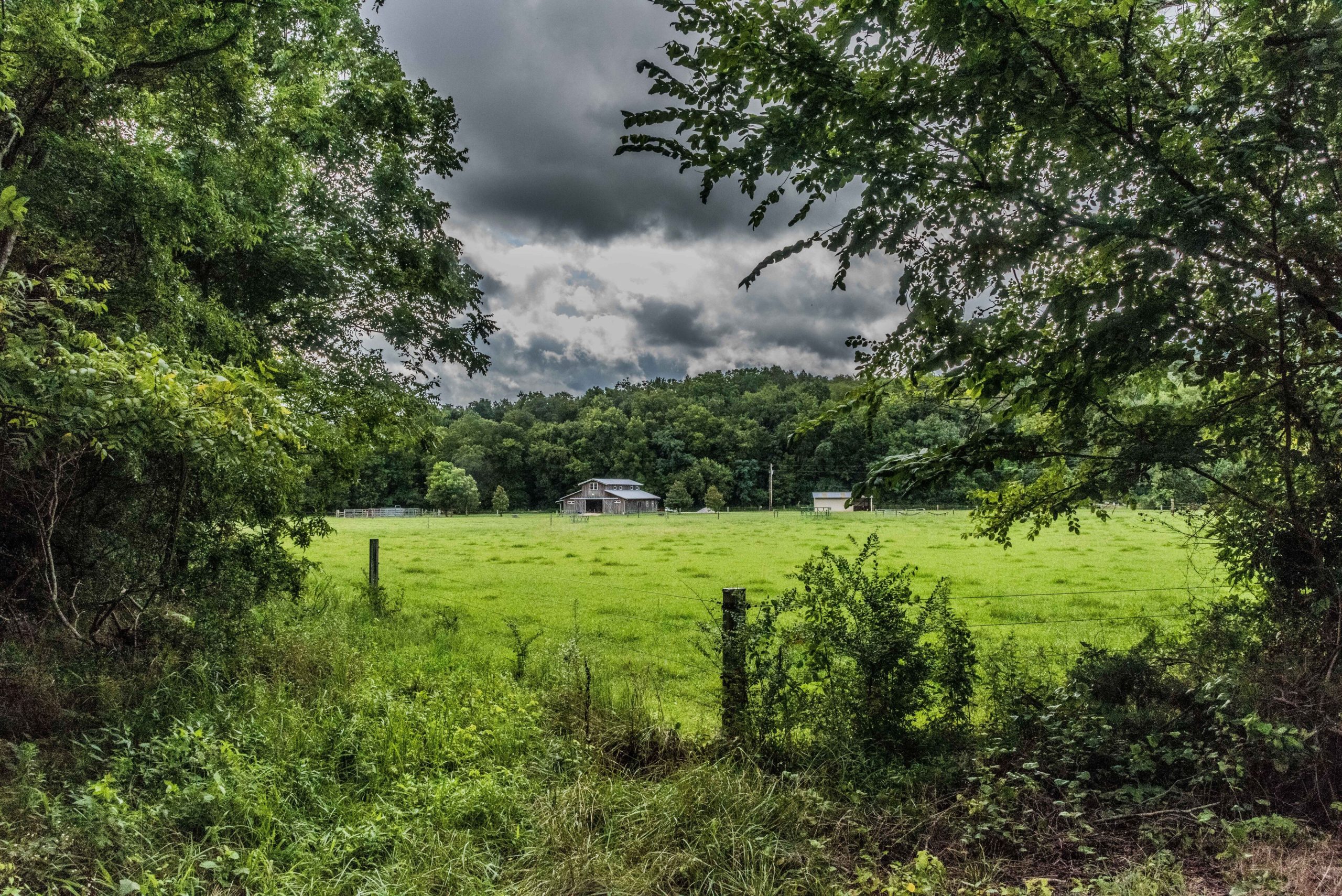
If you’re eyeing a piece of land in Tennessee with acreage attached, Greenbelt status is worth understanding before you make an offer. It’s one of the biggest financial perks of owning rural property in Tennessee, and a lot of buyers moving here from out of state have never heard of it.
What Is the Greenbelt Law?
In 1976, the Tennessee General Assembly enacted the Agricultural, Forest and Open Space Land Act of 1976: commonly known as the “Greenbelt Law.”
Normally, the county calculates your property taxes using market value: what the land would sell for on the open market. Greenbelt flips that.
Once your land qualifies, the county taxes it based on use value instead, meaning what it’s worth as farmland, timber, or open space. That number is almost always lower than market value, sometimes dramatically so.
The result? Property owners commonly see their tax bills drop by half or more. On a larger tract, the savings can be even steeper. This isn’t a one-time discount either.
As long as you keep the land in qualifying use, you keep that lower tax rate year after year.
Three Ways Land Can Qualify
Option 1: Agricultural
You need a minimum of 15 acres, actively growing crops, raising livestock, or similar farming activity.
Option 2: Forest
You need a minimum of 15 acres, plus a forest management plan on file showing how you’re maintaining the timber.
Option 3: Open Space
You need a minimum of 3 acres, preserved for scenic or natural value rather than farmed. According to the Wilson County TN website, “requirements for qualification of open space land include a plan for preservation approved by state or local planning agencies, or the execution of a perpetual open space easement.”
Each category comes with its own paperwork and requirements, so talk through which one fits your property with your assessor’s office before you apply.
The Part Buyers Need to Know: Rollback Tax
Here’s where things get important, especially if you’re buying land with plans to build, subdivide, or develop down the road. If you pull land out of Greenbelt status, whether you sell it, change its use, or stop meeting the requirements, you owe what’s called a rollback tax.
Rollback is simply the county collecting the difference between what you paid in taxes under Greenbelt and what you would have paid at full market value. For agricultural and forest land, that covers the past 3 years. For open space land, it’s the past 5 years.
This isn’t a penalty. It’s the county recovering the tax break once the land no longer serves the purpose the program was designed for. But it can catch buyers off guard if they don’t budget for it, so if you’re purchasing Greenbelt land with any development in mind, have this conversation early, not after closing.
Why This Matters for Your Search
If you’re relocating to the area and land with acreage is part of your plan, Greenbelt status can mean real, lasting savings on your annual tax bill.
But it also comes with strings attached, so it’s worth understanding the basics before you fall in love with a property.
–
Disclaimer: I am not an attorney, and this article isn’t legal or tax advice. Information is drawn from sources like the Tennessee Comptroller of the Treasury and local county assessor offices, but laws change and every property is different. For specific questions about your situation, consult a licensed Tennessee attorney or your county assessor.